Evaluating the 3D Dragon Cracked Hole Tumbler Wrap 30 for Sublimation Projects
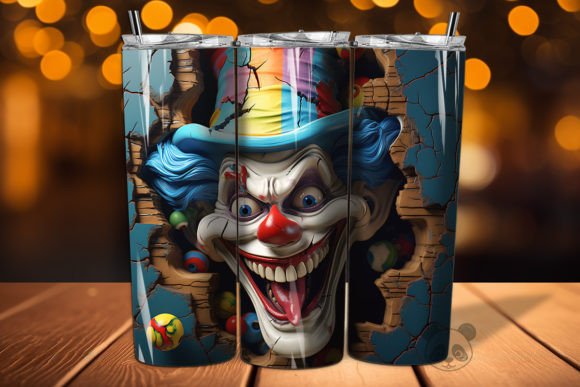
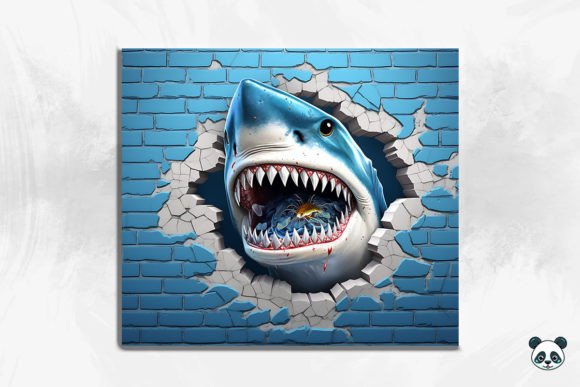
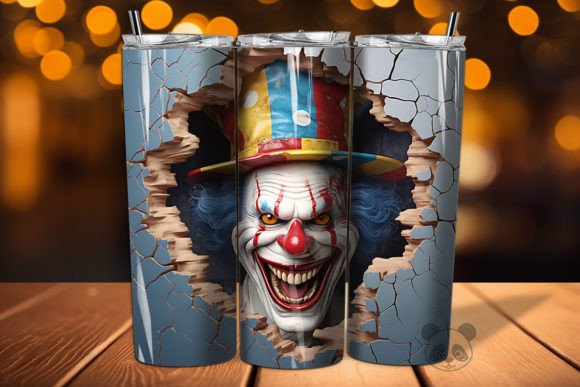
For crafters and small business owners specializing in custom drinkware, selecting the right sublimation design is a critical step that influences both production efficiency and final product appeal. The 3D Dragon Cracked Hole Tumbler Wrap 30 represents a specific category of digital assets designed to create an illusion of depth and texture on straight-walled tumblers. Unlike flat, two-dimensional illustrations, this design utilizes shading, perspective, and background elements to simulate a three-dimensional effect, making the dragon appear as though it is emerging from or interacting with the surface of the cup. Understanding the nuances of this specific wrap format helps creators determine if it aligns with their equipment capabilities and target market preferences.
Defining the Design and Technical Specifications
The core value of the 3D Dragon Cracked Hole Tumbler Wrap 30 lies in its pre-configured dimensions and resolution, which are tailored for the popular 20 oz skinny tumbler market. Typically, these files are provided as high-resolution PNGs, often measuring approximately 9.3 inches by 8.2 inches at 300 DPI. This resolution is non-negotiable for professional results; anything lower risks pixelation when printed on large surfaces. The "cracked hole" aesthetic suggests a background theme where the dragon interacts with a fractured surface, adding a layer of visual complexity that standard solid-color backgrounds lack.
When evaluating this asset, it is important to recognize that it is a digital-only product. There are no physical blanks or printing materials included. The buyer receives a ZIP file containing the image ready for manipulation in graphic design software. This distinction is vital for newcomers who might expect a physical transfer sheet. The utility of the file depends entirely on the user's ability to operate sublimation printers, heat presses, and design programs like Photoshop, Illustrator, or Canva. The "instant download" nature allows for immediate project initiation, eliminating shipping delays associated with physical decals, but it places the burden of quality control squarely on the printer.
Comparing 3D Illusion Wraps to Traditional Flat Designs
A primary consideration for any creator is how the 3D Dragon Cracked Hole Tumbler Wrap 30 compares to traditional flat vector art or simple watercolor patterns. Flat designs are often easier to edit and scale, offering clean lines that work well on irregular surfaces. However, they can sometimes appear static or less engaging on a cylindrical object where light plays across the curve. In contrast, 3D-style wraps leverage the curvature of the tumbler to enhance the illusion of depth. When the light hits the glossy finish of a coated tumbler, the shadows and highlights within the 3D dragon design can create a dynamic viewing experience that changes as the cup is rotated.
On the other hand, the trade-off for this visual impact is complexity in application. A seamless pattern or a simple repeat design is more forgiving if the wrap is not aligned perfectly during the pressing process. With a focal-point design like the cracked hole dragon, misalignment can break the illusion, making the "hole" look off-center or the dragon appear cut off at the seam. Furthermore, while watercolor dragon backgrounds offer a soft, artistic vibe suitable for gentle aesthetics, the 3D cracked style leans towards a bolder, more dramatic look. This makes it better suited for customers seeking fantasy-themed, gaming-inspired, or edgy decor rather than soft, pastel-oriented gifts.
Assessing Compatibility and Production Requirements
Before committing to this design style, one must evaluate their hardware setup. The 3D Dragon Cracked Hole Tumbler Wrap 30 is optimized for straight walls. While it can be adapted for slightly tapered cups with significant distortion work in software, it is not ideal for highly curved travel mugs or bottles without extensive warping adjustments. Users with convection ovens or wrap-specific heat presses will find the straight tumbler format easiest to manage. Those using standard flat heat presses with silicone wraps must ensure even pressure distribution; otherwise, the intricate details of the "cracked" background may suffer from ghosting or uneven color saturation.
Color management is another differentiator. 3D designs often rely on deep blacks and bright highlights to sell the depth effect. Sublimation ink can sometimes struggle to reproduce true, deep blacks, often resulting in a dark charcoal or brownish hue depending on the substrate coating. If a creator's printer profile is not calibrated for high-contrast images, the "3D" effect may flatten, reducing the design's impact. In comparison, lighter watercolor designs or pastel seamless patterns are generally more forgiving of minor color shifts and printer variances. Therefore, this specific dragon wrap is best reserved for users who have dialed in their color profiles and understand how to manage contrast in their final prints.
Strategic Use Cases and Market Fit
Determining when to utilize the 3D Dragon Cracked Hole Tumbler Wrap 30 versus other options comes down to audience analysis. This design excels in niche markets such as fantasy conventions, gaming communities, and among collectors of mythical creatures. The dramatic nature of the cracked earth or stone background pairs well with matte black or dark-colored tumblers, where the colors of the dragon can pop against the dark substrate. For a general audience or corporate gifting, a subtle seamless pattern might be a safer, more versatile choice. However, for limited edition runs or premium custom orders where uniqueness is the selling point, the 3D illusion offers a higher perceived value.
It is also worth considering the trend lifecycle. Highly detailed, specific themes like "cracked hole dragons" can be incredibly popular for a season but may date faster than classic motifs. A creator building a long-term catalog might balance this asset with evergreen designs—such as generic floral patterns or geometric shapes—that have broader appeal over time. Using the 3D dragon wrap as a flagship product to attract attention, while relying on simpler wraps for volume sales, can be an effective inventory strategy.
Limitations and Decision Factors
While the visual potential is high, there are limitations to acknowledge. The fixed size of 9.3 x 8.2 inches means the design is locked to a specific tumbler circumference and height range. If a customer requests a 16 oz slim tumbler or a 30 oz tall cup, the image cannot simply be stretched without distorting the dragon's proportions and ruining the 3D effect. Resizing requires careful recalibration of the entire canvas, which may necessitate purchasing additional assets sized for those specific blanks. In contrast, vector-based clipart or seamless patterns can be tiled or scaled infinitely without loss of quality or compositional integrity.
Additionally, the "instant download" model implies a lack of direct support for the printing process itself. If the colors come out wrong or the alignment fails, the issue lies in the user's workflow, not the file. Beginners expecting a tutorial on how to press the item may find themselves needing to seek external resources. Experienced sublimators, however, will appreciate the autonomy and speed of having a print-ready file immediately available.
Ultimately, the decision to use the 3D Dragon Cracked Hole Tumbler Wrap 30 should be based on a clear understanding of your target demographic and technical proficiency. If you possess the equipment to handle high-contrast straight wraps and your audience appreciates bold, fantasy-driven aesthetics, this asset provides a compelling foundation for a high-margin product. However, if your focus is on versatility, ease of editing, or serving a broad, conservative market, exploring alternative styles like soft watercolors or minimalistic seamless patterns may yield more consistent results. By weighing the dramatic visual benefits against the technical demands of 3D illusion printing, creators can make informed choices that enhance their product offerings without compromising on quality.