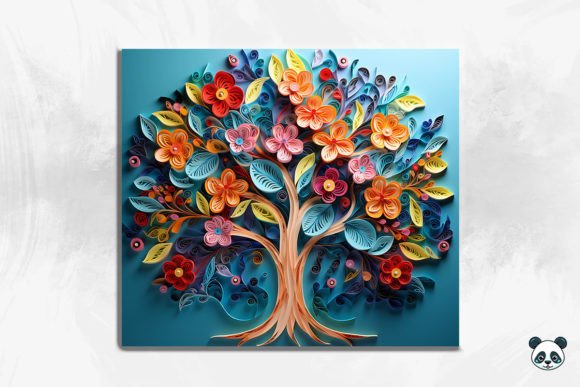
Evaluating the 3D Tree of Life Tumbler Wrap 20 for Sublimation Projects
For crafters and small business owners specializing in custom drinkware, selecting the right sublimation design is a critical step that influences both production efficiency and final product quality. The 3D Tree of Life Tumbler Wrap 20 represents a specific category of digital assets designed for 20-ounce skinny tumblers. Unlike standard flat illustrations, this design utilizes depth cues, shading, and layering techniques to create a three-dimensional appearance on a two-dimensional surface. Understanding the nuances of this specific file type, its technical requirements, and how it compares to alternative design styles is essential for making an informed purchasing decision.
Defining the 3D Aesthetic in Sublimation Wraps
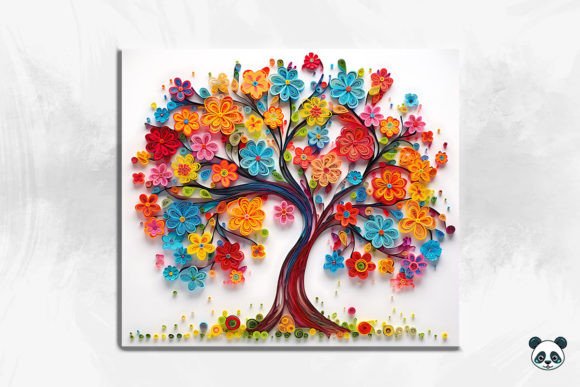
The primary distinction of the 3D Tree of Life Tumbler Wrap 20 lies in its visual complexity. Traditional sublimation designs often rely on flat vector art or simple watercolor washes. In contrast, a 3D design incorporates highlights and shadows that mimic light hitting a physical object. When applied to a cylindrical surface like a skinny tumbler, these visual cues can enhance the perceived texture of the tree's bark, leaves, and roots. This effect is particularly effective on metallic or coated substrates where light reflection plays a significant role in the viewer's experience.
This specific wrap typically features a seamless pattern or a continuous illustration that wraps around the circumference of a 20 oz straight tumbler. The "Tree of Life" motif itself is a perennial favorite in the crafting community due to its symbolic resonance and intricate branch structures, which provide ample opportunity for detailed artistic rendering. The 3D approach elevates this common theme by adding a layer of sophistication that can justify a higher price point for the finished physical product.
Technical Specifications and File Usability
When evaluating digital downloads for sublimation, technical specifications are just as important as aesthetic appeal. The standard delivery for this type of product is a high-resolution PNG file, commonly sized at approximately 9.3 inches by 8.2 inches at 300 DPI (dots per inch). This resolution is non-negotiable for professional results; anything lower may result in pixelation or blurry edges when printed.
It is crucial to understand that purchasing this item grants you a digital file only. There are no physical tumblers, papers, or inks included. The buyer must possess the necessary hardware and software to utilize the asset. This includes a sublimation printer, heat press capable of accommodating skinny tumblers, appropriate sublimation paper, and image editing software to handle the PNG file. The file format (PNG) is chosen specifically for its ability to support transparency, allowing the design to be placed over various background colors or integrated into larger composite designs without a white bounding box.
Comparative Analysis: 3D Designs vs. Alternative Styles
Choosing between a 3D Tree of Life wrap and other available styles depends largely on your target market and production capabilities. Here is how the 3D option stacks up against common alternatives:
- 3D Rendered vs. Flat Vector: Flat vector designs offer clean lines and infinite scalability but can sometimes appear stark or "digital" on curved surfaces. The 3D Tree of Life wrap offers a more organic, painterly feel that blends better with the curvature of the tumbler. However, vector files allow for easier color manipulation if you need to match specific brand colors, whereas modifying a rasterized 3D PNG can be more labor-intensive.
- 3D Realism vs. Watercolor: Watercolor Tree of Life designs are popular for their soft, ethereal look. They are excellent for pastel-themed products but may lack the visual punch required for bold, modern aesthetics. The 3D design provides higher contrast and definition, making it a stronger choice for customers seeking a statement piece rather than a subtle accessory.
- Seamless Patterns vs. Single Image: Some wraps feature a single central image with blank space on the sides, while others, like many 3D Tree of Life options, utilize a seamless pattern. Seamless patterns are advantageous because they hide the seam line of the sublimation paper more effectively and ensure the design looks consistent regardless of how the user holds the tumbler.
Assessing Fit: When This Design is the Right Choice
The 3D Tree of Life Tumbler Wrap 20 is ideally suited for specific scenarios. If your customer base appreciates nature-inspired themes with a touch of realism, this design is a strong contender. It is particularly effective for gifts related to milestones, such as graduations, retirements, or memorials, where the symbolism of the tree carries significant weight.
Furthermore, this design works best on light-colored or white polyester-coated tumblers. Sublimation dye bonds with polyester polymers and becomes part of the substrate; it does not sit on top like vinyl. Consequently, the white base of the tumbler acts as the "white ink" for the design. Attempting to sublimate this PNG onto a dark-colored tumbler without a white base layer (which requires different technology) will result in muted, inaccurate colors. Therefore, this asset is best reserved for standard light-substrate production workflows.
Limitations and Practical Considerations
While the visual benefits are clear, there are tradeoffs to consider. The complexity of a 3D design means that alignment during the pressing process is critical. Because the design often features intricate details that span the entire wrap, even a slight rotation error can make the tree appear tilted or cut off awkwardly at the seam. Users must be proficient in measuring and taping their sublimation paper to ensure a straight application.
Additionally, the fixed dimensions of the download (9.3 x 8.2 inches) are tailored specifically for 20 oz skinny tumblers. If you primarily work with 12 oz slim tumblers, 30 oz tumblers, or curved beer mugs, this specific file will require significant cropping or stretching, which can distort the 3D effect and compromise image quality. In such cases, it may be more prudent to seek a vendor offering scalable vector files or a bundle of sizes rather than a single rasterized PNG.
Decision Factors for Buyers
Before finalizing a purchase of a digital sublimation wrap, consider the following checklist to ensure it aligns with your business needs:
- Software Compatibility: Do you have software capable of opening and positioning high-resolution PNG files? While basic viewers can open them, you need editing tools to adjust margins or combine elements if necessary.
- Hardware Constraints: Does your heat press accommodate the full 9.3-inch height of the design? Some smaller clamshell presses may struggle with taller skinny tumbler attachments.
- Market Differentiation: Will the 3D aesthetic help your products stand out in a saturated market? If your competitors are mostly using flat clipart, adopting a 3D style could provide a competitive edge.
- Licensing Terms: Always review the license associated with the instant download. Most files allow for unlimited physical end-products for sale but prohibit reselling the digital file itself or sharing it with other crafters.
Final Thoughts on Value and Application
The 3D Tree of Life Tumbler Wrap 20 serves as a specialized tool for sublimation artists looking to elevate their product offerings. Its value is not just in the image itself, but in the time it saves the creator. Designing a realistic, 3D-rendered tree from scratch requires advanced graphic design skills and significant time investment. Purchasing a pre-made, high-DPI file allows the crafter to focus on the production and marketing aspects of their business.
However, it is not a universal solution. It requires a specific subset of equipment and a target audience that values detailed, nature-centric art. For those equipped with the right printer, press, and blank inventory, this digital asset offers a reliable pathway to creating professional-grade, visually striking drinkware. For others, particularly those working with non-standard tumbler sizes or dark substrates, exploring alternative formats or design styles may yield better operational results. Ultimately, the decision rests on a careful evaluation of your current workflow and the specific preferences of your customers.