Unlocking Creative Potential: A Guide to 3D Castle Cracked Hole Tumbler Designs
In the rapidly evolving world of custom merchandise and personalized gifts, sublimation printing has emerged as a cornerstone technology for creators, small business owners, and hobbyists alike. Among the vast array of design options available, the 3D Castle Cracked Hole Tumbler 13 stands out as a fascinating example of how digital art can transform everyday objects into works of art. This article explores the intricacies of this specific design, the technology behind it, and why understanding these digital assets is crucial for anyone looking to succeed in the modern crafting economy.
Understanding the Core Concept: What is a Sublimation Wrap?
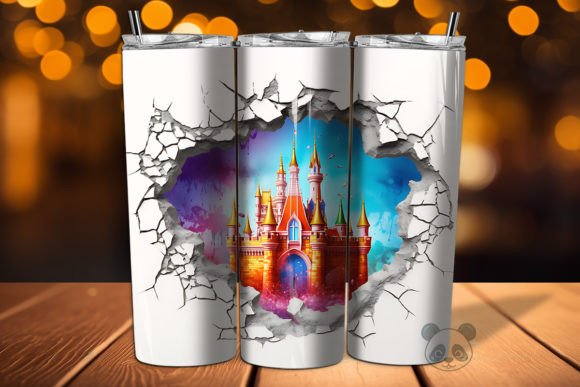
At its heart, a sublimation wrap is a digital file designed to be printed onto special transfer paper and then heat-pressed onto a coated substrate, typically polyester or polymer-coated items like tumblers. The 3D Castle Cracked Hole Tumbler 13 Background is not merely a picture; it is a precision-engineered template. When users purchase an Instant Digital Download PNG, they are acquiring a high-resolution asset ready for production.
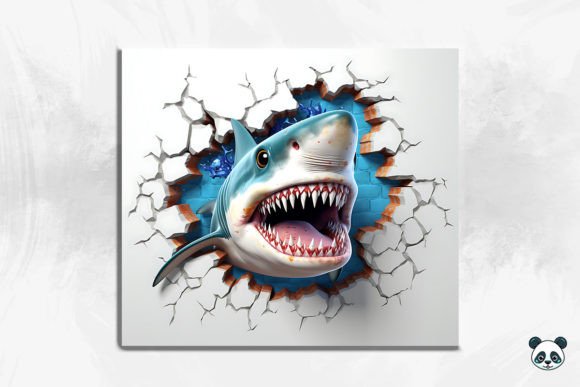
The term "3D" in this context refers to the visual depth created by the artwork. Through skilled shading, perspective, and layering, a flat image of a Castle watercolor or structure appears to pop off the surface of the cup. The "Cracked Hole" element adds a layer of dramatic flair, creating an illusion that the tumbler itself has been breached to reveal the majestic castle within. This type of 3D design requires a keen eye for detail, ensuring that the final product looks immersive rather than disjointed.
The Significance of High-Resolution Assets
One of the most critical aspects of working with files like the Castle skinny tumbler wrap is resolution. Professional results depend entirely on the quality of the source file. The standard for high-quality sublimation is 300 DPI (dots per inch). In the case of the 3D Castle design mentioned, the file dimensions are approximately 9.3 inches by 8.2 inches.
Why does this matter? If a creator attempts to stretch a low-resolution image to fit a 20 oz Skinny Tumbler, the result will be pixelation, blurriness, and a lack of crisp detail. The intricate lines of the castle walls and the texture of the "cracked" effect would be lost. By providing a file specifically sized at 300 DPI for these dimensions, the designer ensures that every brushstroke of the Castle png renders sharply, maintaining the integrity of the 3D illusion.
Practical Application in Modern Crafting and Business
The rise of platforms like Etsy, Shopify, and local craft fairs has democratized entrepreneurship. Individuals no longer need massive factories to produce goods; they need a printer, a heat press, and high-quality digital designs. The Castle tumbler wrap represents a perfect intersection of creativity and commerce.
- Versatility: While designed for a 20 oz skinny tumbler, the seamless pattern elements within the design can often be adapted for other products, such as phone cases, mouse pads, or even fabric, provided the aspect ratio is adjusted correctly.
- Speed to Market: Because these are Instant Digital Download files, there is no shipping wait time for the design itself. A business owner can purchase the file in the morning and have finished products ready to ship by the afternoon.
- Niche Appeal: Castles evoke themes of fantasy, history, and fairy tales. This makes the Castle 3D seamless pattern highly marketable to specific demographics, including fans of fantasy literature, historical reenactors, or parents looking for unique gifts for children.
Clarifying Common Misunderstandings
Despite the ease of access to digital files, there are frequent misconceptions among beginners entering the sublimation space. It is vital to clarify what is—and what is not—included when purchasing a file like the 3D Castle Cracked Hole Tumbler 13.
- Physical vs. Digital: The most common confusion is expecting a physical tumbler. As noted in product descriptions, these purchases include only the digital file (usually in a ZIP folder). The buyer must supply their own blank tumblers, printer, ink, and heat press.
- Sizing Nuances: While the file is provided at 9.3 x 8.2 inches, actual tumblers can vary slightly by manufacturer. A "20 oz skinny tumbler" from one brand might differ by a millimeter from another. Experienced crafters know to measure their specific blank and adjust the print size slightly in their software to ensure a perfect wrap without gaps or overlaps.
- Software Requirements: Receiving the file is just the first step. Users must possess the knowledge to use software like Adobe Photoshop, Illustrator, Canva, or Silhouette Studio to prepare the file for printing. The file itself does not "print automatically"; it requires human intervention to manage color profiles and mirroring (sublimation prints must be mirrored horizontally before printing).
The Artistic Value of 3D and Watercolor Styles
The aesthetic choice of combining a Castle background with watercolor textures and 3D effects is deliberate. Watercolor brings a softness and organic feel that contrasts beautifully with the rigid geometry of a castle. When this is rendered in 3D, it creates a dynamic tension that draws the eye.
In modern interior design and personal accessories, there is a shift away from flat, cartoonish graphics toward more sophisticated, textured looks. A Castle wrap that utilizes depth and shadow mimics the look of hand-painted ceramics but at a fraction of the cost and time. This allows consumers to own bespoke items that feel luxurious and artisanal.
Integrating Technology with Creativity
The workflow for utilizing a 3D tumbler wrap highlights the synergy between art and technology. The process begins with the artist creating the Castle seamless pattern using digital painting tools. This file is then distributed globally via digital marketplaces. The end-user downloads the ZIP file, extracts the PNG File, and uses a heat press to transfer the image.
This ecosystem supports a global community of creators. An artist in one country can design a Castle 3D seamless pattern, while a crafter in another country prints it, sells it, and delights a customer in a third location. This digital supply chain reduces waste, as items are often made-to-order, and lowers the barrier to entry for creative entrepreneurship.
Conclusion: Building a Broader Understanding
The 3D Castle Cracked Hole Tumbler 13 is more than just a pretty picture for a cup; it is a representation of the modern digital economy's capabilities. It demonstrates how high-resolution assets, precise sizing, and artistic vision come together to create tangible value. For the beginner, it offers a gateway into the world of sublimation, teaching important lessons about resolution, file formats, and hardware requirements. For the experienced professional, it provides a reliable, high-quality asset that can be trusted to produce stunning results.
Whether you are a hobbyist looking to make a unique gift for a friend or an entrepreneur building a brand around fantasy-themed drinkware, understanding the nuances of these digital downloads is essential. By appreciating the technical specifications—like the 300 DPI requirement and the specific dimensions—and the artistic intent behind the Castle watercolor and 3D effects, creators can maximize their potential and deliver products that truly captivate their audience. The future of crafting is digital, and files like these are the building blocks of that future.