Unlocking Creative Potential: A Complete Guide to 3D Airplane Cracked Hole Tumbler Designs
In the rapidly evolving world of custom merchandise and personalized gifts, few items have captured the public's imagination quite like the sublimation tumbler. Among the vast array of designs available, the 3D Airplane Cracked Hole Tumbler stands out as a unique intersection of aviation enthusiasm and modern digital artistry. This guide aims to demystify what these designs are, how they function within the sublimation industry, and why they represent a significant opportunity for creators, small business owners, and hobbyists alike.
Understanding the Core Concept: What is a 3D Cracked Hole Design?
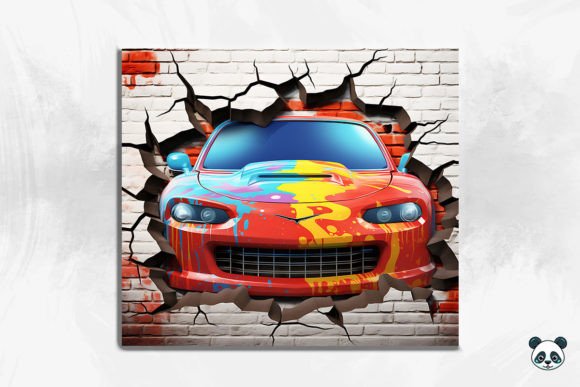
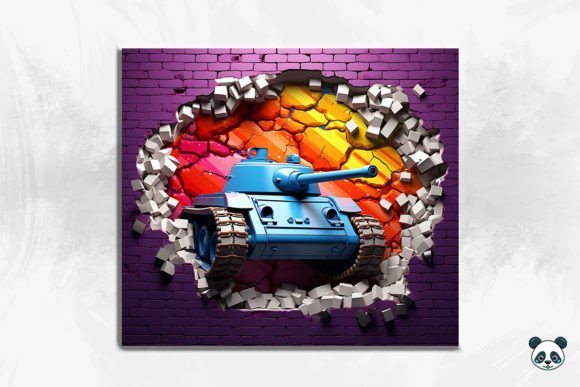
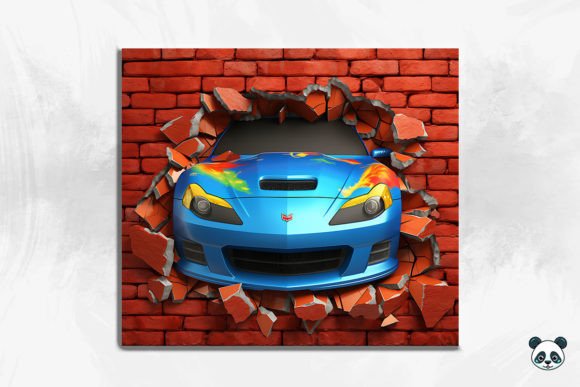
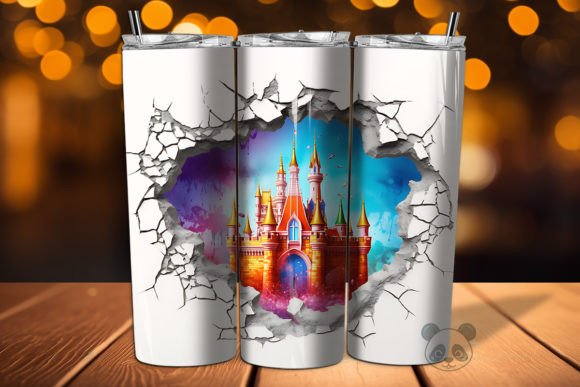
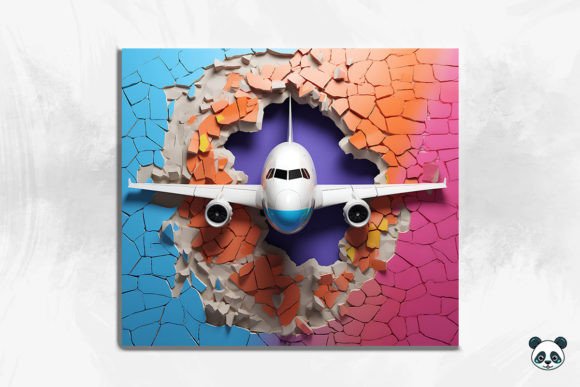
At first glance, a "cracked hole" design might seem counterintuitive. Why would anyone want a design that looks like their cup is broken? The answer lies in the power of optical illusion and 3D visual effects. These designs do not indicate physical damage; rather, they utilize high-resolution digital layering to create the appearance of a three-dimensional window or portal breaking through the surface of the tumbler.
When applied to a 20 oz skinny tumbler, the artwork creates a dynamic scene where an airplane appears to be soaring either inside the vessel or through a rupture in the metal. This technique relies heavily on shading, perspective, and seamless patterning to trick the eye. The result is a product that feels tactile and immersive, elevating a standard water bottle into a piece of wearable (or drinkable) art.
The significance of this style extends beyond mere aesthetics. It represents a shift in consumer preference toward hyper-realistic and interactive designs. In a market saturated with flat, two-dimensional logos, the 3D effect captures attention immediately, making it a powerful tool for branding or personal expression.
The Role of Digital Files in Modern Crafting
To bring these visions to life, one does not start with paint and brushes, but with pixels and data. The foundation of creating a 3D Airplane tumbler is the Instant Digital Download PNG. As noted in product specifications for high-quality wraps, these files are typically delivered in a ZIP format containing a single, high-resolution image—often sized around 9.3 inches by 8.2 inches at 300 DPI (dots per inch).
Why are these specific metrics important?
- Resolution (300 DPI): This is the gold standard for printing. Anything lower may result in pixelation or blurriness when the image is stretched over the curved surface of a tumbler.
- Dimensions: The 9.3 x 8.2-inch sizing is calculated specifically to fit the circumference and height of a standard 20 oz skinny tumbler, ensuring the pattern aligns perfectly without awkward gaps or overlaps.
- PNG Format: Unlike JPEGs, PNGs support transparency and lossless compression, which is crucial for maintaining the crisp edges required for the "cracked" effect to look realistic rather than jagged.
It is vital for beginners to understand that purchasing these designs means acquiring a digital file only. No physical tumblers, ink, or heat presses are included. This distinction is a common point of confusion for those new to the sublimation space. The value lies in the intellectual property and the ready-to-print artwork that saves the creator hours of design time.
The Sublimation Process: From Screen to Steel
Once you have secured your Airplane seamless pattern or 3D background file, the next step is understanding how it translates to a physical object. Sublimation printing is a chemical process where heat turns solid dye into gas without passing through a liquid stage. This gas then permeates the polymer coating of the tumbler, becoming a permanent part of the material.
Here is a simplified workflow for using an airplane tumbler wrap:
- File Preparation: Download the ZIP file and extract the PNG. Use graphic design software to mirror the image horizontally. This is a critical step; if you do not mirror the image, any text or directional elements (like the nose of the airplane) will appear backward on the final product.
- Printing: Print the mirrored design onto special sublimation paper using sublimation ink. Standard office ink will not work.
- Wrapping: Secure the printed paper tightly around the blank 20 oz skinny tumbler using heat-resistant tape. Ensure there are no air bubbles, as these can cause white spots in the final design.
- Heating: Place the wrapped tumbler into a convection oven or a dedicated tumbler heat press. The temperature and time will vary based on your equipment, but the heat triggers the ink transformation.
- Revealing: Once cooled, remove the paper to reveal the vibrant, full-color 3D airplane design permanently fused to the cup.
This process highlights the practical relevance of high-quality digital assets. If the source file is poor quality, the sublimation process will only amplify those flaws. Therefore, investing in professional-grade Airplane watercolor or 3D design files is an investment in the quality of the final merchandise.
Applications in Business and Creativity
The versatility of the Airplane tumbler wrap makes it suitable for a wide range of applications. For small business owners, these designs offer a low-overhead way to expand product lines. Because the files are digital, there is no inventory cost until a sale is made and the item is printed on demand.
Educational and Institutional Uses: Schools with aviation programs or science clubs can use these designs to create cohesive gear for students, fostering a sense of community and pride.
Personal Gifting: For the individual crafter, these wraps provide a way to create deeply personalized gifts. Imagine a tumbler for a pilot, a flight attendant, or an aspiring young aviator featuring a dramatic 3D scene of their favorite aircraft. The emotional resonance of such a gift far exceeds that of a generic store-bought item.
Furthermore, the trend of seamless patterns allows for creative experimentation. Designers can mix the 3D cracked hole element with other backgrounds, such as clouds, maps, or abstract colors, to create entirely unique variations. This flexibility encourages creativity and prevents market saturation, as no two batches need to look exactly alike.
Clarifying Common Misunderstandings
Despite the popularity of these products, several misconceptions persist. Addressing them is essential for anyone looking to enter this niche.
Misconception 1: "The design will peel off."
When done correctly with proper sublimation techniques, the image becomes part of the tumbler's coating. It will not peel, crack, or fade under normal use. The "cracked" look is purely visual.
Misconception 2: "Any printer will work."
As mentioned earlier, sublimation requires specific ink and paper. Using a standard inkjet printer will result in the ink sitting on top of the paper and failing to transfer to the metal.
Misconception 3: "One size fits all tumblers."
While the 9.3 x 8.2-inch dimension is standard for 20 oz skinny tumblers, it will not fit a 30 oz tumbler or a straight-walled mug. Understanding the geometry of your blank product is crucial for selecting the right digital wrap.
The Future of Digital Merchandise
The rise of the 3D Airplane Cracked Hole Tumbler is indicative of a broader trend in the digital economy: the democratization of manufacturing. With access to instant download files and affordable home printing technology, individuals can compete with large-scale manufacturers in terms of design uniqueness and customization.
Moreover, the integration of watercolor styles with 3D technical renders shows how traditional art forms are merging with digital capabilities. This hybrid approach appeals to a diverse audience, from those who love the softness of hand-painted aesthetics to those who prefer the sharp precision of engineering diagrams.
In conclusion, the 3D Airplane tumbler design is more than just a pretty picture; it is a testament to the power of digital tools in enhancing physical products. Whether you are a seasoned sublimation expert or a beginner looking to start a creative hobby, understanding the nuances of these digital files—from DPI requirements to the mechanics of the optical illusion—is the first step toward success. By leveraging high-quality Airplane seamless patterns and mastering the sublimation process, you can turn a simple steel cup into a window to the skies, capturing the imagination of aviation lovers everywhere.
Remember, the journey begins with the right file. Ensure you are downloading from reputable sources that provide the correct dimensions and resolution, and always verify that you have the necessary skills and equipment to bring these digital dreams to life. Happy crafting!