Unlocking Creativity: The Ultimate Guide to 3D Fish Cracked Hole Tumbler Wraps
In the rapidly evolving world of custom drinkware, sublimation printing has emerged as a dominant force for entrepreneurs, hobbyists, and creative professionals. Among the myriad of design trends capturing attention, the 3D Fish Cracked Hole Tumbler Wrap stands out as a unique fusion of aquatic beauty and modern optical illusions. This article serves as a comprehensive guide to understanding what these digital assets are, how they function within the sublimation ecosystem, and why they represent a significant opportunity for those looking to elevate their tumbler business or personal crafting projects.
Understanding the Core Concept: What is a Sublimation Wrap?
Before diving into the specific allure of the fish-themed design, it is essential to grasp the fundamental technology behind it. Sublimation is a process where heat and pressure are used to transfer dye onto materials such as plastic, polymer, or coated metals. Unlike traditional printing methods that sit on top of a surface, sublimation ink turns into a gas under heat and bonds with the fibers or coating of the material. This results in a vibrant, durable image that will not peel, crack, or fade easily.
A tumbler wrap is simply the digital template designed specifically to fit the curvature of a drinking vessel. In this context, we are discussing a 20 oz Skinny Tumbler, a popular cylindrical shape known for its sleek profile. The "wrap" is a flat PNG file that, when printed and wrapped around the tumbler, creates a seamless 360-degree image. The specific design in question features a 3D Fish appearing to swim through a "cracked hole," creating an illusion of depth and movement that transforms a standard cup into a piece of art.
The Significance of the "Cracked Hole" Aesthetic
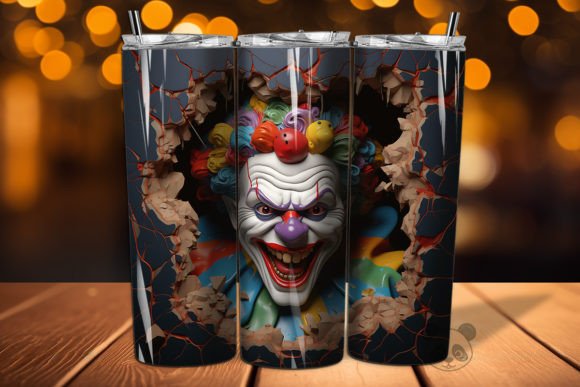
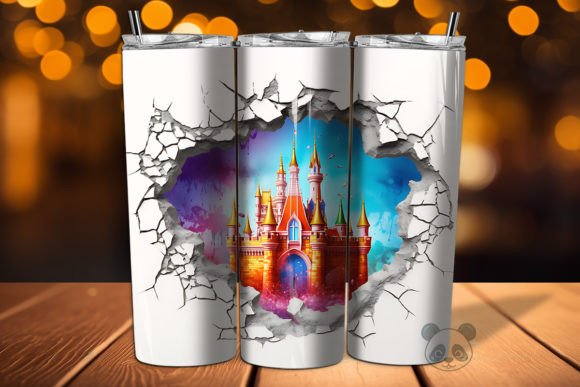
The "cracked hole" effect is more than just a visual trick; it is a testament to the power of digital design in physical products. By utilizing high-resolution 3D backgrounds and realistic shading, designers create an aperture that looks as though the steel or plastic of the tumbler has broken away to reveal the ocean beneath. This technique taps into a psychological fascination with depth and transparency. For the consumer, it offers a tactile visual experience—they can almost feel the water. For the creator, it demonstrates technical proficiency and artistic flair, setting their products apart from generic, flat-printed designs.
Deconstructing the Digital File: What You Actually Receive
When purchasing a product like the 3D Fish Cracked Hole Tumbler Wrap 6, it is crucial to understand the nature of the transaction. This is an instant digital download, meaning no physical goods are shipped. Instead, the buyer receives a ZIP file containing high-quality assets ready for production. Let's break down the technical specifications provided in a typical listing and why they matter:
- File Format (PNG): The Portable Network Graphics format is industry-standard for sublimation because it supports high-color depth and, crucially, transparency. While this specific wrap likely includes a full background, the PNG format ensures that no compression artifacts degrade the quality of the intricate fish scales or water textures.
- Dimensions (9.3 in x 8.2 in): These measurements are not arbitrary. They are calculated to fit the circumference and height of a standard 20 oz skinny tumbler perfectly. The width (9.3 inches) accounts for the wrap-around distance plus a slight overlap for sealing, while the height (8.2 inches) ensures coverage from the base to just below the rim.
- Resolution (300 DPI): Dots Per Inch (DPI) is the measure of print resolution. A 300 DPI file is the gold standard for professional printing. Anything lower may result in pixelation or blurriness, especially when viewed up close. High resolution is vital for capturing the fine details of the fish watercolor textures and the sharp edges of the 3D crack effect.
It is important to clarify a common misunderstanding: buying this file does not grant you the physical tumbler or the printed result. It grants you the license to use the design. You must possess the necessary hardware—a sublimation printer, sublimation ink, heat press or convection oven, and blank tumblers—to bring the digital file to life.
The Role of Seamless Patterns in Modern Design
The description often mentions a Fish 3D seamless pattern. In design theory, a seamless pattern is an image that can be tiled repeatedly without visible borders or breaks. In the context of a tumbler wrap, "seamless" refers to the continuity of the image when the left and right edges meet on the cylindrical object. If the pattern is not truly seamless, a visible vertical line will disrupt the illusion of the fish swimming freely. High-quality wraps ensure that the water flow, bubbles, and light refractions align perfectly, maintaining the immersive 3D effect.
Practical Applications: From Hobby to Business
The versatility of the Fish skinny tumbler design extends across various sectors of modern life and commerce. Understanding these applications helps buyers maximize the value of their digital purchase.
- Small Business and Etsy Shops: For entrepreneurs running print-on-demand businesses or handmade shops, trending designs are the lifeblood of sales. Aquatic themes are perennially popular, appealing to fishing enthusiasts, marine biologists, beach lovers, and those who simply appreciate nature. A unique 3D design allows sellers to command higher price points compared to generic stock images.
- Personalized Gifting: Custom tumblers are staple gifts for birthdays, holidays, and corporate events. A design featuring a specific type of fish or a serene underwater scene can be tailored to the recipient's interests, adding a layer of thoughtfulness that mass-produced items lack.
- Educational and Awareness Campaigns: Schools and environmental organizations often use custom merchandise to raise awareness about marine conservation. A striking image of a fish breaking through a barrier can serve as a powerful metaphor for overcoming obstacles or protecting ocean habitats.
- Creative Exploration: For hobbyists, working with complex 3D wraps is an excellent way to refine sublimation skills. Aligning the design so the "crack" sits at a specific angle or ensuring the color vibrancy matches the original PNG requires practice and precision, fostering skill development in digital fabrication.
Navigating the Production Process
To successfully utilize the 3D Fish Cracked Hole Tumbler Wrap 6 Background, one must follow a precise workflow. First, the downloaded PNG is opened in design software (such as Photoshop, Illustrator, or free alternatives like GIMP). Here, the user might add text, names, or logos if desired, taking care not to obscure the focal point of the 3D fish.
Next, the design is printed onto sublimation paper using mirror imaging (flipping the image horizontally). This step is critical; if forgotten, any text included in the design will appear backward on the final product. Once printed, the paper is wrapped tightly around the pre-coated tumbler and secured with heat-resistant tape. The assembly is then placed in a heat press or tumbler oven at the recommended temperature and time (usually around 380°F for 5-6 minutes, depending on the equipment). As the heat activates the ink, the Fish png elements bond permanently to the tumbler, revealing the vivid colors and the illusion of depth.
Why Quality Matters in Digital Assets
In the digital marketplace, not all files are created equal. The difference between a amateur graphic and a professional 3D tumbler wrap often lies in the lighting, shadowing, and texture work. A low-quality file might have a "flat" look, where the fish appears pasted on top of a background rather than interacting with it.
The specific design highlighted here utilizes advanced rendering techniques to simulate light passing through water, reflections on the "glass" of the cracked hole, and the organic movement of the fish. These nuances are what trigger the brain to perceive depth. When investing in digital downloads, looking for indicators like 300 DPI, specific dimension callouts, and previews of the seamless nature of the pattern is essential. These factors ensure that the final physical product looks professional and retains its value over time.
Conclusion: Diving Into Creative Possibilities
The 3D Fish Cracked Hole Tumbler Wrap represents more than just a pretty picture for a cup; it is a convergence of digital artistry and physical manufacturing. It illustrates how modern technology allows us to bring complex, three-dimensional concepts to everyday objects. Whether you are a seasoned sublimation expert looking to expand your catalog with trending aquatic themes, or a beginner eager to learn how digital files translate into tangible goods, understanding the intricacies of these wraps is the first step toward success.
By recognizing the importance of file specifications, the mechanics of the sublimation process, and the aesthetic appeal of 3D illusions, creators can produce stunning items that resonate with customers. The ocean is vast, and with the right digital tools, your creativity can dive just as deep. Remember, the file you download is merely the blueprint; your skill and equipment are the builders that turn that blueprint into a masterpiece.